68% of Total Cost in Just Three Components: Why Sub-$1,000 Gaming Laptops Are About to Get Crushed
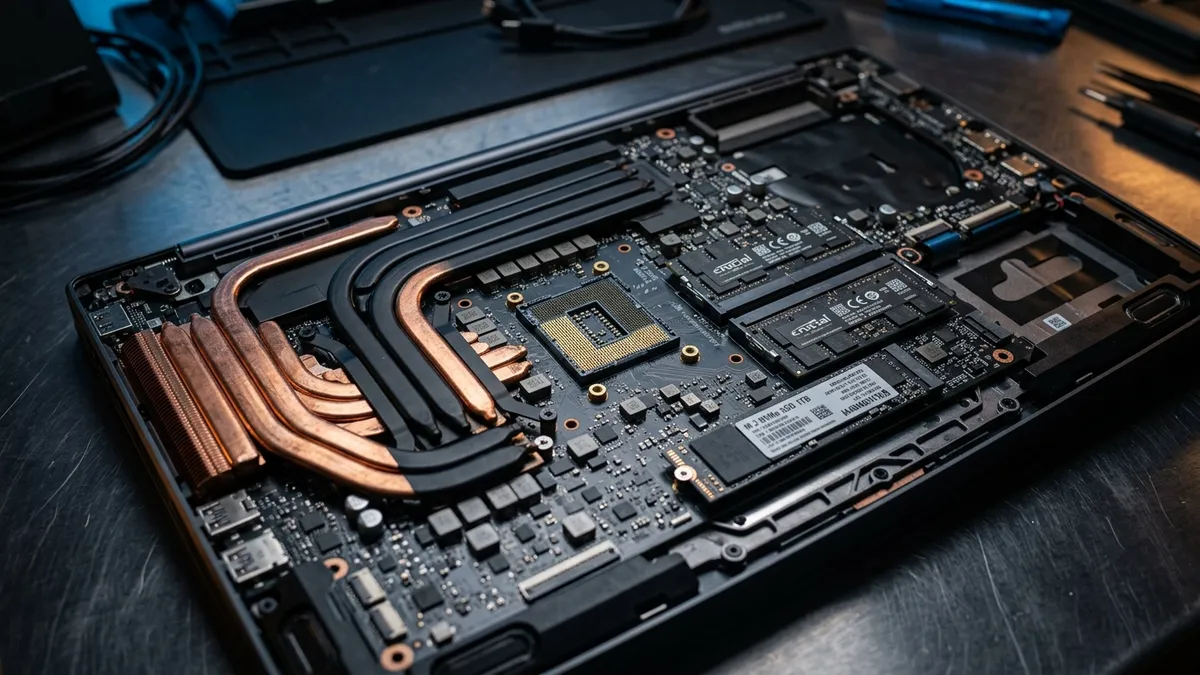
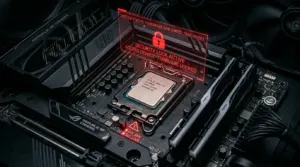
On a modern laptop priced around $900, the bill of materials reveals a dramatic structural imbalance. According to a detailed market analysis from research firm TrendForce, just three core components now consume roughly 68% of the total manufacturing cost: the central processor, the system memory, and the SSD storage.
Everything else on the machine, including the display panel, chassis, battery, motherboard, and thermal cooling assembly, must fight over the remaining 32%. This precarious financial squeeze directly threatens budget gaming machines heading into 2027.
Three Components Squeezing the Entire Build
Breaking down this component budget highlights just how dominant the processing core has become. The central CPU alone accounts for more than 40% of the entire hardware cost in a standard $900 notebook.
Meanwhile, the system RAM and high-speed NVMe SSD combine for an additional 25% to 28%. Together, these three foundational pillars swallow over two-thirds of the hardware spend before assembly even begins on factory floors.
This heavy financial concentration leaves PC manufacturers with razor-thin margins for the rest of the laptop. To keep prices competitive while offering modern silicon, brands face mounting pressure to cut corners elsewhere.
AI Server Demand Fuels Silicon Inflation
The 68% threshold is becoming dangerous because all three components are facing simultaneous price hikes. Memory and silicon production trends across the globe are driving costs up across consumer hardware lines.
Major semiconductor manufacturers including Samsung, SK Hynix, and Micron are prioritizing high-bandwidth memory (HBM) and enterprise AI server chips. This massive reallocation of cleanroom capacity tightens mainstream DRAM and NAND flash supply, pushing contract prices higher for gaming PCs.
At the same time, leading-edge CPU wafer pricing from foundries like TSMC continues to climb. Laptop manufacturers simply cannot escape these rising baseline costs without adjusting their retail lineup.
The Dilemma for Laptop Makers and Gamers
Hardware vendors like Asus, Lenovo, Acer, HP, and Dell are trapped in a tough position. Raising retail prices would push budget gaming notebooks well past the crucial $1,000 threshold, alienating cost-conscious players.
Instead, many manufacturers may resort to stealth downgrades to protect margins. We are already seeing attempts to sell underpowered configurations with only 8GB of soldered RAM or an inadequate 512GB SSD that barely holds two modern AAA game installs.
Other cost cuts target peripheral hardware that looks fine on paper but suffers in practice. Cheap plastic chassis, single-fan cooling units that throttle under load, and dim 45% NTSC display panels are the most common sacrifices.
What to Check Before Buying a Budget Laptop
Finding a balanced portable gaming rig under $1,000 will require careful inspection of spec sheets over the coming months. A flashy processor name can easily distract from inadequate cooling that leads to severe thermal throttling during intense multiplayer matches.
Before pulling the trigger on a deal, consult our breakdown of the best budget gaming laptops, and make sure your chosen model features upgradeable dual-channel RAM, capable thermal design, and a color-accurate display.
My Take: Has Gaming Officially Become a Luxury Hobby?
Taking a step back from this TrendForce report, the reality hits hard. Between $70 to $80 base games, consoles getting price hikes instead of traditional mid-cycle discounts, and now PC hardware where even entry-level laptops are getting squeezed, being a gamer has practically become a luxury hobby.
Video games originally thrived as an accessible, mainstream passion for anyone with a modest budget. Today, between soaring component costs driven by AI, mandatory online subscriptions, and premium game pricing, keeping up with modern gaming requires genuine financial sacrifice.

SEO consultant for over 20 years and digital entrepreneur, Charles 'Grimtag' Ronchain is the founder of Pro-Gamer.gg, Retrocharting.com, and Gamescharting.com. A competitive gamer, streamer, and retro game collector, he has worked in the video game industry for over 15 years, notably as a consultant for leading game price comparison platforms. Passionate about real-time performance data and gaming technology, he analyzes competitive esports, gaming hardware benchmarks, and creator workflows on Pro-Gamer.gg with an authentic player perspective.