Used CPU Banned by Vanguard: Riot's Anti-Cheat Boss Breaks Silence on Blacklist Rules
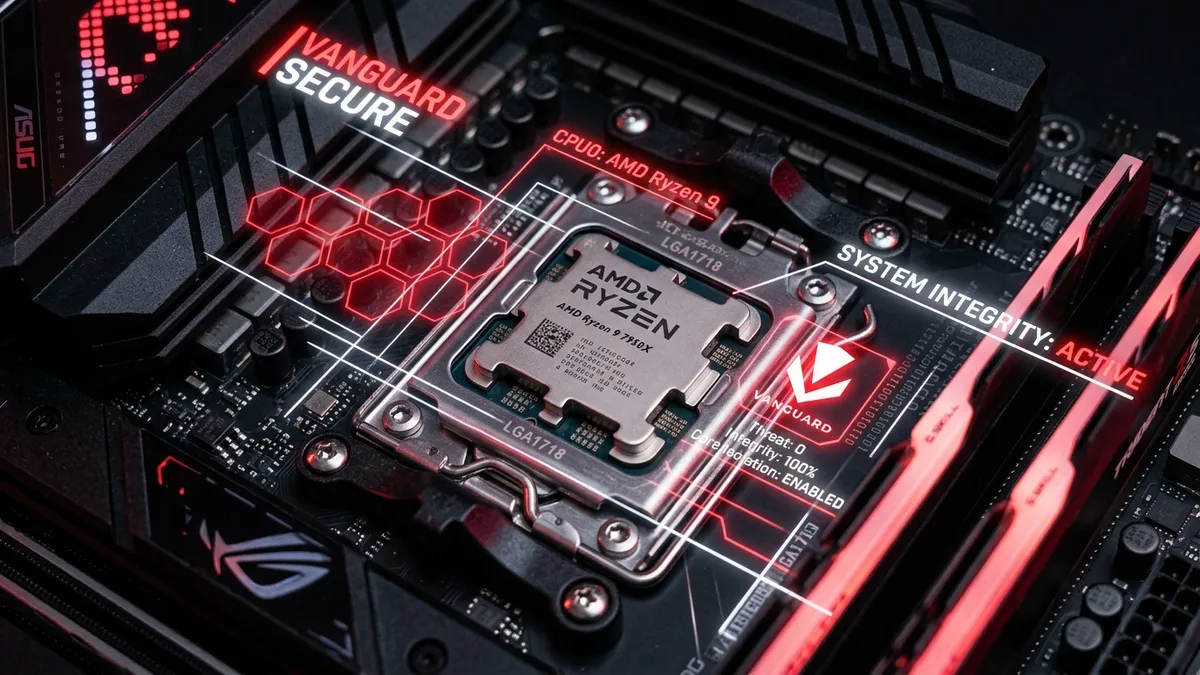
The viral story of a PC gamer receiving an immediate Valorant ban after installing a second-hand AMD Ryzen 7 5800X3D triggered widespread alarm across hardware communities this weekend. Amid growing confusion surrounding alleged hardware contamination and permanent blacklists, Riot Games stepped forward to set the record straight.
Phillip Koskinas, Head of Anti-Cheat at Riot Games, took to X to directly address and dismantle key claims originating from Reddit discussions.
Riot Rejects the Hardware Contagion Myth
In the original community report, the buyer claimed that Vanguard not only flagged the second-hand processor, but also permanently blacklisted their clean motherboard and storage drives.
Koskinas flatly denied this claim. Riot's anti-cheat does not spread bans across unflagged hardware when a previously penalized component is detected in a system.
The hardware restriction remains strictly isolated to the specific penalized component without affecting adjacent parts in the build.
Hardware Bans Cap at 120 Days and Target One Game
The second major revelation dispels the assumption that Vanguard hardware bans represent a lifetime penalty. According to Koskinas, hardware-level penalties imposed by Vanguard last a maximum of four months, or 120 days.
Additionally, the restriction applies solely to the specific title where the cheating violation occurred. A processor flagged in Valorant will not lock players out of other games.
Koskinas also emphasized that Riot support representatives are required to provide affected players with the exact expiration date of their hardware ban. Riot found no support ticket matching the player's account details, casting substantial doubt on the alarmist claims.
Innocent Second-Hand Buyers Are Still Sidelined
While these operational facts ease the worst fears of a ruined PC, the situation remains frustrating for genuine second-hand buyers. As detailed in our previous report on the used hardware ban trap on Valorant, Riot enforces an uncompromising policy that offers no manual pardons for secondary owners.
If a processor incurred a ban on August 12 under its previous owner, the innocent buyer remains barred from Valorant until mid-December. There is currently no official public tool or registry to verify the standing of second-hand hardware prior to purchase.
Essential Safeguards for Buying Used Hardware
Competitive gamers looking to upgrade their rigs on the secondary market must exercise heightened caution. Buyers should prioritize trusted platforms that provide verified buyer protection and structured return policies.
Requesting in-game footage from the seller or securing a short verification window before finalizing a purchase is now an essential step in navigating the strict realities of modern kernel-level anti-cheat systems.

SEO consultant for over 20 years and digital entrepreneur, Charles 'Grimtag' Ronchain is the founder of Pro-Gamer.gg, Retrocharting.com, and Gamescharting.com. A competitive gamer, streamer, and retro game collector, he has worked in the video game industry for over 15 years, notably as a consultant for leading game price comparison platforms. Passionate about real-time performance data and gaming technology, he analyzes competitive esports, gaming hardware benchmarks, and creator workflows on Pro-Gamer.gg with an authentic player perspective.