Nintendo Switch 2 Security Tested: How nx2-relink Runs Native Game Dumps on kaiHEN and Why Firmware 23.5.0 Blocks It
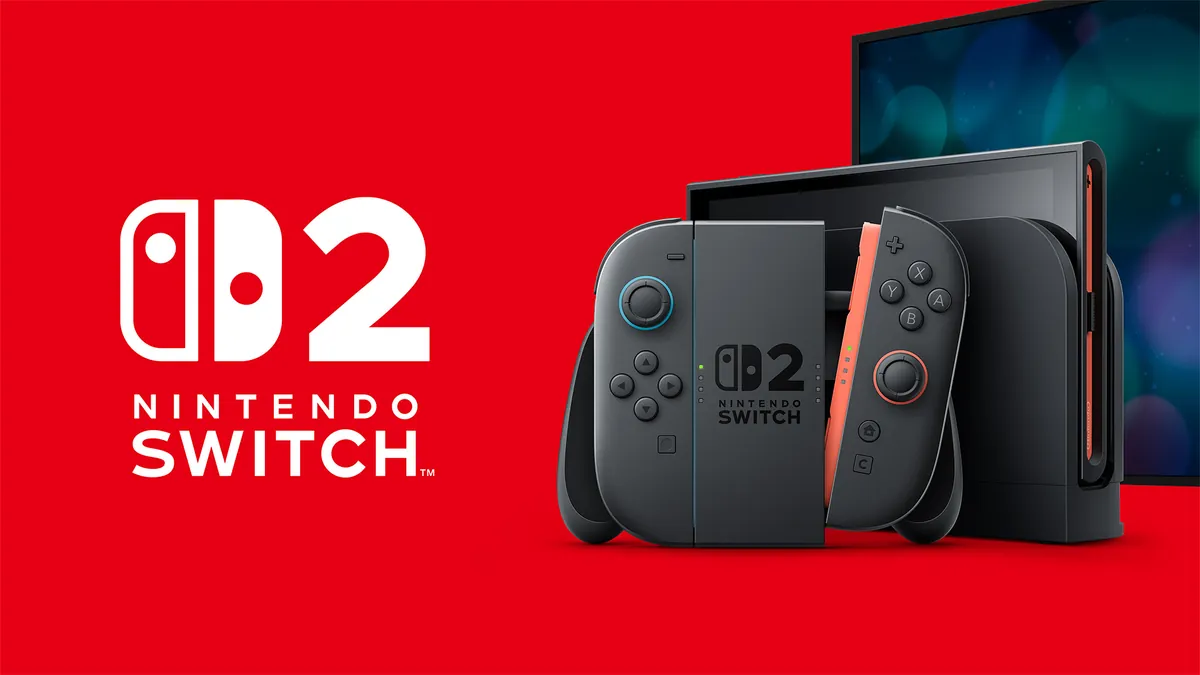
Nintendo Switch 2 system security is facing a fresh stress test from the homebrew research community. Weeks after the first userland software vulnerabilities surfaced, independent developer Olmectron has released nx2-relink, an open-source utility designed to run personal Nintendo Switch 2 game backups natively on jailbroken hardware. Beneath the headline-grabbing breakthrough, however, the tool remains highly experimental, restricted to outdated firmware, and packed with serious hardware and account risks.
How nx2-relink Runs Switch 2 Code Without Emulation
Rather than translating hardware instructions through a traditional emulator, nx2-relink relies on direct native execution. Built as a successor to the original Switch utility nx-relink, the desktop tool takes a user-dumped Switch 2 game stored as a .nup container or extracted directory and relinks it into a standalone .nro homebrew executable.
Instead of simulating the console processor or graphics pipeline, the software preserves the title's original binaries while swapping out the surrounding system loader. Assets and save files are then streamed straight from the SD card inside the kaiHEN custom firmware environment on Nintendo Switch 2.
A companion homebrew interface called nx2-flow has also appeared alongside the project. Styled after classic shelf loaders, it lists compatible files on the SD card, manages isolated save slots, and lets researchers inject custom textures or gameplay mods without repacking every build manually.
Early Compatibility, Host Limits, and the Firmware 23.5.0 Wall
While the engineering concept has drawn close attention from reverse-engineering circles, real-world compatibility is still in its infancy. Early community testing around version 0.1.5 highlights a major bottleneck: execution stability depends heavily on the host application launching the .nro package, which dictates available graphics memory and accessible operating system services.
- Titles booting in early tests: Community reports indicate that Donkey Kong Bananza, The Legend of Zelda: Ocarina of Time (Switch 2 release), and Splatoon Raiders have reached title screens or early gameplay following the 0.1.5 revision, often relying on donor titles such as Mario Kart World or SmileBASIC.
- Titles currently crashing: Pokemon Pokopia, Yoshi and The Mysterious Book, and Pokemon Legends: Z-A reportedly crash on launch regardless of the donor environment selected.
- Missing features: Add-on DLC is not natively supported yet, and long-session stability remains unpredictable.
More importantly, the vast majority of retail consoles cannot run this stack at all. Environments like kaiHEN rely on consoles kept offline on legacy software such as firmware 23.0.1, which was vulnerable to the ns2jb software chain. On November 10, 2026, Nintendo rolled out Nintendo Switch 2 firmware 23.5.0, sealing the entry point on updated machines.
Modding Claims, Hardware Risks, and Nintendo's Likely Response
Olmectron stresses that nx2-relink contains no copyrighted Nintendo assets, encryption keys, or commercial games, framing the release around personal backups, preservation, and SD-card modding. Even so, security analysts note that native relinking lowers technical friction once decrypted game files circulate, putting tools like this squarely in Nintendo's legal and engineering crosshairs.
For everyday players, experimenting with unsigned code carries steep consequences. Early testers and developers alike warn of abrupt crashes, corrupted save files, SD card data loss, and potential console bricking. Connecting a modified system to online infrastructure also invites permanent account and hardware bans under the official Nintendo Switch 2 terms of service.
My Test Bench
From a systems engineering standpoint, relinking native binaries directly onto the Switch 2 hardware is far cleaner than brute-force emulation, because it sidesteps translation overhead on both CPU and GPU paths. Even so, host-app memory ceilings, missing DLC support, and Nintendo's fast patch cycle with firmware 23.5.0 keep this firmly inside lab-experiment territory. Between unstable boots, save corruption risks, and permanent online bans, regular players have zero practical reason to touch it, though Nintendo's security team clearly has another vector to harden in upcoming updates.

PC hardware enthusiast and competitive gamer, Arthur 'Heimdall' splits his time between France and the UK working in enterprise B2B software solutions. A business school graduate passionate about component benchmarking, he has been building, modding, and tuning PCs since childhood, optimizing every thermal degree and millisecond of display latency. An avid gamer across Assassin's Creed and sandbox titles, he forged his alliance with Grimtag and Chaya during late-night World of Warcraft raids before joining Pro-Gamer.