5 Years After Leaving SEGA and Zero Games Shipped: Nagoshi Studio Is Officially Dissolved, Leaving Gang of Dragon in Limbo
Five years to the day after its high-profile founding in Tokyo's Shinjuku ward, the independent venture of the Yakuza series creator has ended in the hands of a corporate liquidator. According to an official corporate dissolution notice published on November 2, 2026, in Kanpo (the Japanese government's official gazette, Extra Edition No. 240), Nagoshi Studio Inc. was formally dissolved by a shareholders' resolution passed on October 31, 2026.
The legal filing appoints Minoru Morinaga as the representative liquidator tasked with winding down the Tokyo-based company's remaining assets, liabilities, and contractual obligations. Both the studio's official website and its YouTube channel have already been taken offline, closing the curtain on a veteran team that spent half a decade in production without shipping a single commercial release.
From a Landmark SEGA Departure to NetEase Games' Funding Pullback
When it was first registered on November 1, 2021, just weeks after Toshihiro Nagoshi stepped down from SEGA and Ryu Ga Gotoku Studio after more than thirty years, Nagoshi Studio was hailed as a major power shift in Japanese game development. Backed as a wholly owned subsidiary of Chinese publishing giant NetEase Games, the studio set up headquarters in Shinjuku with the stated goal of crafting blockbuster, cinema-grade action dramas for a global console and PC audience.
Nagoshi brought several foundational pillars of the Yakuza / Like a Dragon franchise with him, including longtime producer and director Daisuke Sato, art director Kazuki Hosokawa, lead programmer Koichi Seto, Masao Shirosaki, and Taichi Ushioda. At its public unveiling in early 2022, the pitch was straightforward: creative autonomy backed by deep international capital.
However, NetEase Games' sweeping strategic retreat from overseas studios over the past eighteen months shattered that arrangement. In spring 2026, the Hangzhou-based publisher opted to cut off funding to Nagoshi Studio effective May 2026 after internal assessments showed the team still needed roughly 7 billion yen (approximately $44.4 million) to bring its debut project across the finish line. That sudden pullback mirrors a broader wave of friction between the Chinese conglomerate and its Japanese partners, echoing the NetEase rights bottlenecks stalling Suda51's Romeo Is a Dead Man.
Gang of Dragon and Star Ma Dong-seok Caught in the Shutdown
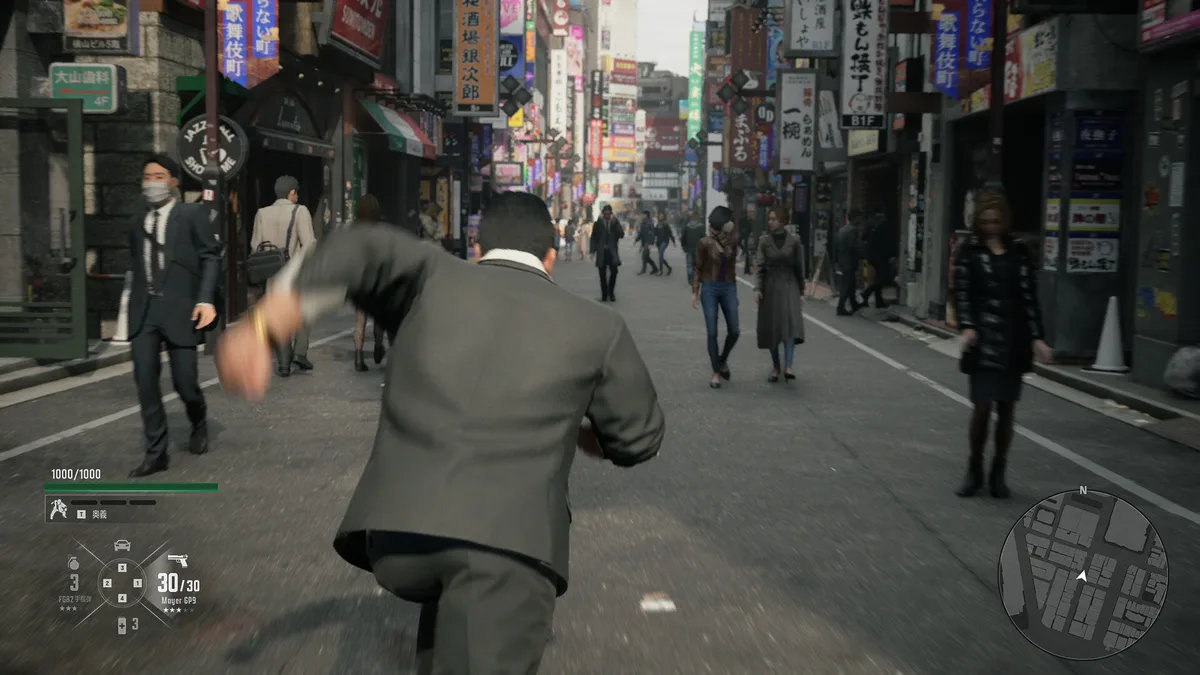
The biggest casualty of the liquidation is Gang of Dragon. Unveiled in December 2025 during The Game Awards, the gritty third-person action-adventure title was designed as Toshihiro Nagoshi's grand return to the crime drama genre. Rather than using the fictional Kamurocho district of his SEGA years, the story was set directly inside the real-world streets of Kabukicho, Shinjuku's famed nightlife district in Tokyo.
The project starred South Korean cinema powerhouse Ma Dong-seok (Don Lee, known globally for Train to Busan, The Roundup, and Eternals) as Shin Ji-seong, a senior enforcer in a Korean crime syndicate operating out of Kabukicho. Gameplay centered on Shin's overwhelming physical strength, blending bone-crushing hand-to-hand brawling, precise blade combat, gunplay, and high-impact vehicle sequences across Shinjuku.
When NetEase decided to halt financing earlier this year, it reportedly gave Nagoshi Studio a narrow exit clause: the team could go independent and keep Gang of Dragon only if it secured a new investor willing to reimburse NetEase for the tens of millions of dollars already sunk into development. Unable to find a third-party publisher willing to pay both the buyout fee and the remaining $44.4 million completion budget, both Toshihiro Nagoshi and Daisuke Sato stepped down from their executive roles ahead of the October 31 dissolution vote. Ironically, the official Steam store page for Gang of Dragon remains live for now under the "Coming soon" banner, still listing Nagoshi Studio Inc. as both developer and publisher.
A Stark Contrast With Ryu Ga Gotoku Studio's Momentum
For fans of Japanese crime dramas, the timing highlights a striking divergence in fortunes. While Nagoshi and Sato spent five years navigating corporate restructuring and buyout deadlocks under NetEase, their former home at SEGA has operated at peak efficiency. Led by Masayoshi Yokoyama, Ryu Ga Gotoku Studio has delivered multiple hits including Like a Dragon: Infinite Wealth while pushing ahead on Ryu Ga Gotoku Studio's upcoming Stranger Than Heaven, an ambitious new period action title built for current-generation hardware.
With Minoru Morinaga now overseeing the formal liquidation of Nagoshi Studio Inc., the fate of the Gang of Dragon assets and the next career move for 61-year-old Toshihiro Nagoshi remain open questions. Unless a buyer steps in during the liquidation process to acquire the unfinished build at a discount, Ma Dong-seok's trip through Kabukicho will go down as one of the generation's most painful lost projects.
My Take
What a monumental waste of talent and time. When Toshihiro Nagoshi and Daisuke Sato walked away from SEGA at the end of 2021 with NetEase's blank check in hand, it was pitched as a liberation moment for Japanese auteur directors. Five years later, the reality is brutal: zero games shipped, a studio erased via a routine notice in the Japanese government gazette, and two legends of action game design robbed of half a decade of their prime creative years.
The hardest pill to swallow here is that Gang of Dragon looked like an absolute bullseye on paper. Casting Ma Dong-seok as a Korean syndicate heavyweight brawling through the real Kabukicho was the exact unchained crime thriller fans had wanted from Nagoshi for fifteen years. Demanding that a studio buy back tens of millions of dollars in existing development costs on top of finding $44 million to finish the game was never a realistic lifeline; it was a death sentence with extra paperwork. Here is hoping Nagoshi and his core Shinjuku team land somewhere that actually understands how long it takes to build a flagship action IP from scratch.

SEO consultant for over 20 years and digital entrepreneur, Charles "Grimtag" is the founder of Pro-Gamer.gg, Retrocharting.com, and Gamescharting.com. A competitive gamer, streamer, and retro game collector, he has worked in the video game industry for over 15 years, notably as a consultant for leading game price comparison platforms. Passionate about real-time performance data and gaming technology, he analyzes competitive esports, gaming hardware benchmarks, and creator workflows on Pro-Gamer.gg with an authentic player perspective.