From Dragon Age: Origins to Baldur's Gate 3: Former BioWare Lead Mark Darrah Explains Why EA Chose Simpler RPGs
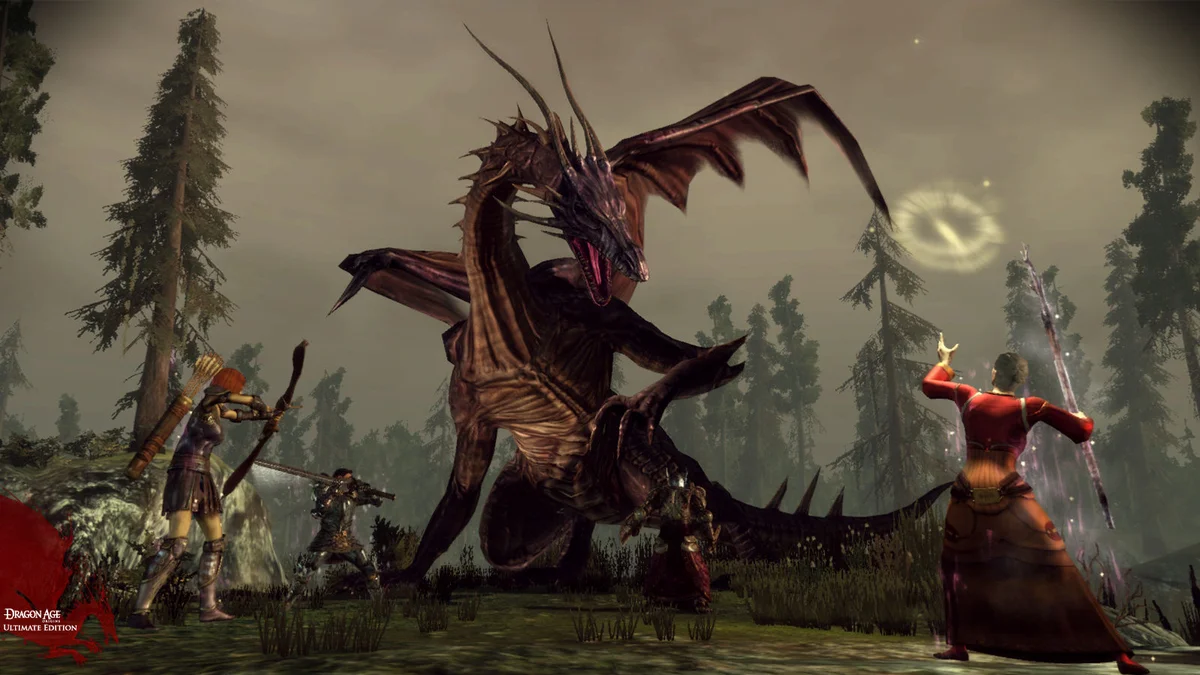
Just days after Electronic Arts officially shut down BioWare, one of the Edmonton studio's longest-serving architects is offering a candid post-mortem on how its flagship fantasy series lost its way. Mark Darrah, who joined BioWare in 1997 as a programmer on the original Baldur's Gate before spending over fifteen years leading the Dragon Age franchise as executive producer, sat down for an extensive interview with Eldorado.gg. According to Darrah, the foundation laid by 2009's Dragon Age: Origins could have led directly to the massive critical and commercial heights achieved by Larian Studios with Baldur's Gate 3, had corporate priorities not pushed the series down a very different road.
How Dragon Age Traded Its Baldur's Gate 3 Lineage for Mainstream Simplicity
Looking at the global phenomenon surrounding Swen Vincke's turn-based epic, which stands today among the essential masterpiece games on PC, Mark Darrah sees the exact trajectory BioWare once occupied. Conceived in the late 2000s as the spiritual successor to classic computer role-playing games, Dragon Age: Origins embraced tactical real-time-with-pause combat, deep character builds, and ruthless political branching.
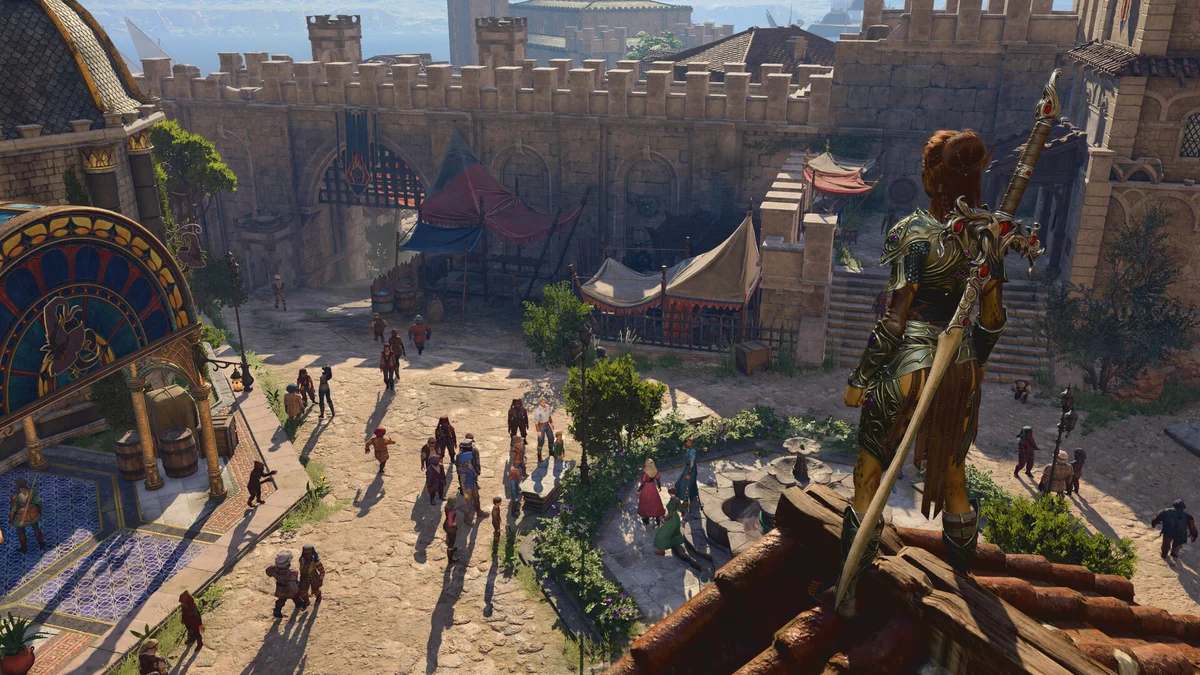
"You can absolutely see that with Dragon Age. You can imagine a world where BioWare follows a line that leads from Dragon Age: Origins to something that looks a lot like Baldur's Gate 3. But instead, it is pushed onto this road that is about trying to be simpler, to be more accessible, to be more appealing to a wider audience, and you end up, instead of going from Dragon Age: Origins towards Baldur's Gate 3, you end up on a track to Dragon Age 2 and to Inquisition."
Mark Darrah, former Dragon Age executive producer at BioWare
In Darrah's view, that pivot toward faster, streamlined action mechanics was not driven by malice from Electronic Arts executives toward the world of Thedas, but by a fundamental cultural blind spot. He points out that many senior decision-makers within the publisher either came from outside the video game business entirely or rose through the ranks of EA Sports.
Viewed through a corporate lens shaped by annual sports titles and military shooters, EA leadership easily grasped the appeal of Battlefield and could reasonably package a sci-fi action series like Mass Effect. High fantasy, however, was persistently regarded inside the company as "nerdy" and non-mainstream, even after 2014's Dragon Age: Inquisition became the highest-selling launch in BioWare history at the time. Darrah likens this executive confusion to The Sims, another franchise EA leadership struggled to comprehend until its massive revenue streams made it undeniable.
"Tied Up in the Trunk": Live-Service Scars and Band-Aids on The Veilguard
Darrah also pulled back the curtain on the troubled final stretch of Dragon Age: The Veilguard, the late 2024 entry whose commercial shortfall preceded BioWare's demise. Having resigned from BioWare in 2021 after years of fifty-to-eighty-hour workweeks, Darrah returned in early 2023 as a part-time consultant working roughly twenty hours a week after the project hit alpha. Instead of helping steer the ship, he found himself sidelined by internal politics.
"I'm used to being in the driver's seat, and now I'm tied up in the trunk shouting directions through the walls of the car, and that's what it felt like."
Mark Darrah, on consulting for Dragon Age: The Veilguard
Because studio management wanted to avoid undermining the new directors installed after his departure, Darrah's recommendations were routinely ignored, sometimes only gaining traction months later when an outside review group repeated the exact same feedback. According to the former executive producer, many of the elements that alienated core fans in The Veilguard were leftover structural artifacts from 2017 and 2018, when the fourth installment was rebooted into a multiplayer live-service game.
In a drop-in cooperative game, every player needs access to the same roster of companions, combat cannot rely on constant tactical pausing, and quests must be broken into isolated mission loops. When BioWare eventually pivoted back to a single-player campaign, leadership never stopped to tear down those multiplayer foundations. Trapped in a cycle where the team believed certification was only six months away, even when shipping actually took another twelve to eighteen months, directors repeatedly opted for surface-level "Band-Aids" rather than systemic overhauls.
That perpetual deadline crunch directly affected the game's overly light, "Marvel-esque" writing tone, a flaw flagged as early as late 2022 during alpha testing. Rather than ripping apart weak story arcs and rewriting them from scratch, leadership ordered three or four separate polish passes that consumed just as much development time without fixing the underlying script. As for hopes that a studio like Larian might buy the dormant Dragon Age intellectual property from a debt-laden Electronic Arts, Darrah remains skeptical: unlike Mass Effect, whose distinctive sci-fi universe carries standalone value, any top RPG studio would rather create its own spiritual fantasy world from scratch than pay EA tens of millions of dollars for a brand name alone.

My Take
Reading Mark Darrah's account today captures the entire slow-motion tragedy that led to BioWare's closure. Back in 2009, Dragon Age: Origins proved that a dark, mechanically demanding computer RPG with real narrative teeth could sell millions of copies without talking down to its audience. Yet because executives steeped in annual sports franchises viewed classic high fantasy as too niche, fifteen years were spent sanding down every rough edge in pursuit of an imaginary casual crowd. While BioWare burned through its veteran talent forcing single-player franchises into live-service molds and slapping late-stage Band-Aids over the wreckage, Larian Studios simply picked up the torch Origins left behind and turned Baldur's Gate 3 into a generational juggernaut. Chasing everyone by diluting what makes your studio special is the fastest way to lose everything.

SEO consultant for over 20 years and digital entrepreneur, Charles "Grimtag" is the founder of Pro-Gamer.gg, Retrocharting.com, and Gamescharting.com. A competitive gamer, streamer, and retro game collector, he has worked in the video game industry for over 15 years, notably as a consultant for leading game price comparison platforms. Passionate about real-time performance data and gaming technology, he analyzes competitive esports, gaming hardware benchmarks, and creator workflows on Pro-Gamer.gg with an authentic player perspective.