Nintendo's Tariff Windfall: Millions Won in Court, but Gamers Just Get a Sale
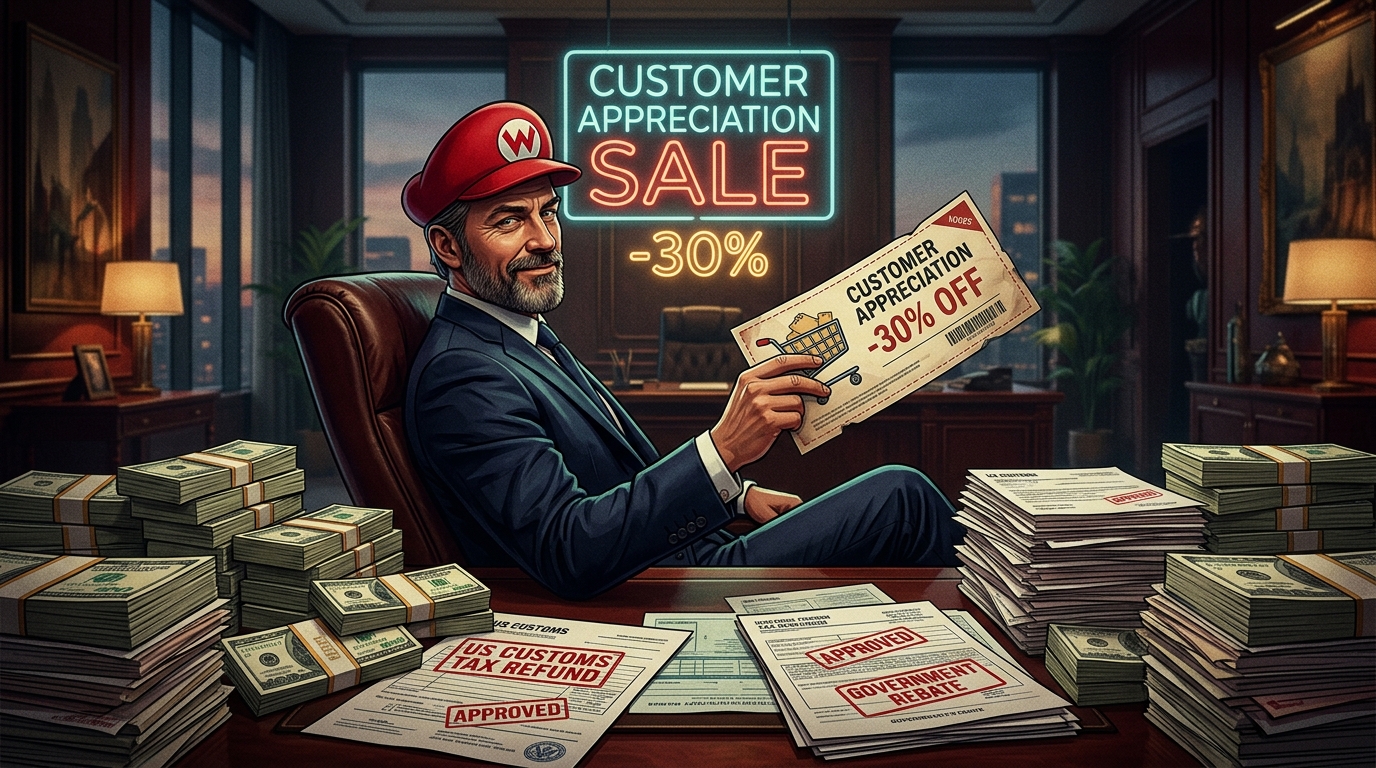
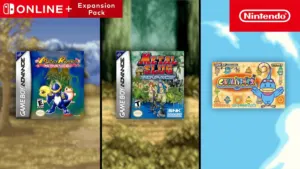
The video game business sometimes serves up scenarios of bewildering corporate pragmatism. While gamers track weekly sales and pricing trends across storefronts, an announcement from Nintendo of America has put the spotlight on a textbook case of legal and economic maneuvering. At the center of it all: a massive discount event dubbed the "Customer Appreciation Sale," slashing prices by up to 30% on select games and hardware accessories. On the surface, it looks like business as usual, except for the official rationale Nintendo gave: this promotional wave is directly funded by federal customs tariff refunds from the US government... the very same money that certain consumers are suing to get back.
The Supreme Court Ruling: When Customs Repaid Nintendo Millions
To understand what sparked this bizarre standoff, you have to rewind through the trade war drama that has rattled the tech industry for years. Under the Trump administration, the US slapped heavy tariffs on electronic goods imported from Asian manufacturing hubs. For Nintendo, which ships the overwhelming majority of its Switch consoles, Joy-Con controllers, and peripherals out of Asian assembly lines, those tariff bills stacked up into tens of millions of dollars across multiple fiscal years.
However, a landmark decision by the US Supreme Court struck down the legality of these specific tariff barriers. Armed with that legal precedent, Nintendo took action with federal authorities (the Department of the Treasury and US Customs and Border Protection) to recoup those improperly levied duties. It was a completely standard corporate legal move, and it ultimately deposited a massive windfall right back into Nintendo of America's coffers.
The Legal Battlefield: Why Gamers Want Their Cut
The situation turned decidedly thorny on the PR front when multiple American consumers filed lawsuits against the gaming giant. The plaintiffs' argument follows a straightforward economic principle: if those import tariffs were absorbed and baked into the retail prices consumers paid for consoles and accessories on store shelves, any federal refund given back to Nintendo should, at least in part, flow back to the buyers who shouldered the actual cost.
For its part, Nintendo is mounting a fierce defense in court, claiming the company absorbed the vast majority of the tariff burden internally without raising its manufacturer's suggested retail prices (MSRP). A high-stakes legal tug-of-war has taken shape, pitting corporate balance-sheet accounting against consumer demands for direct restitution.
The "Customer Appreciation" Event: Marketing's Answer to a Lawsuit
Against this tense procedural backdrop, Nintendo decided to drop a retail campaign. In its official release, the publisher did not attempt to hide where the money came from, but wrapped it in a cleverly calculated message of corporate gratitude:
"The Customer Appreciation Sale is our way of thanking Nintendo fans for their continued support, made possible in part by customs tariff refunds. While Nintendo absorbed most of the added costs, these refunds allowed us to bring promotions like this to life." - Nintendo of America
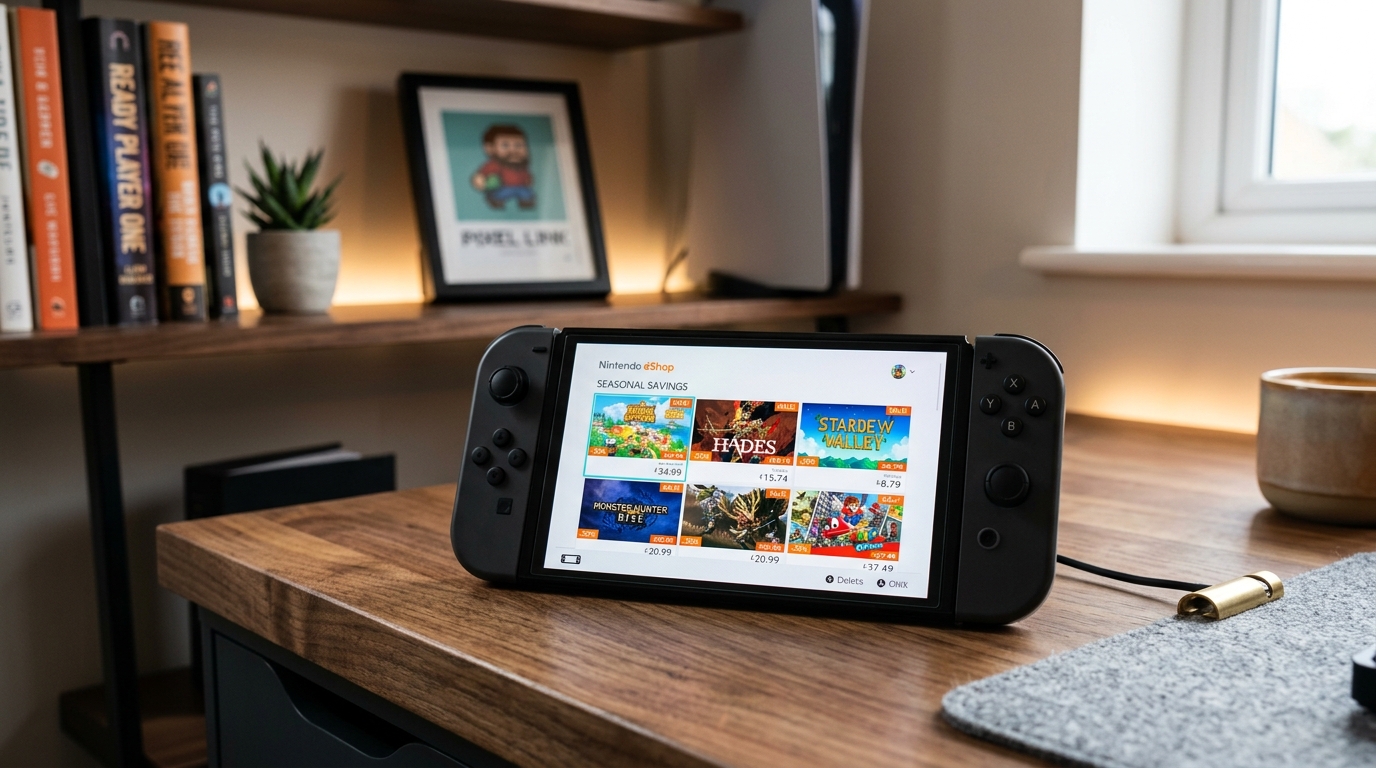
From a communications standpoint, it is a brazen play. Rather than risking a direct cash settlement that could trigger tricky legal precedents, the company transformed a federal tax windfall into a retail retention hook. Gamers will not see a wire transfer landing in their checking accounts, but they can funnel their cash back into the eShop with 30% discounts on games and merchandise.
My Take: A Masterclass in Financial Gymnastics
You have to hand it to Nintendo: they know how to dodge a punch. Turning a potentially explosive legal headache into a feel-good celebration of customer loyalty is marketing jujitsu of the highest order, laced with a healthy dose of corporate irony.
Beneath the spin, the move leaves a bittersweet taste. On one hand, seeing a platform holder channel tax windfalls into temporary discounts to breathe life into the original Switch's twilight catalog is great news for budget-conscious gamers. On the other hand, for players who were holding out hope for formal acknowledgment of the extra costs passed down during the hardware boom, this promotion looks far more like a savvy customer-retention play than true financial compensation.
Nintendo has once again proved that in today's video game industry, the best deflection against a lawsuit is a well-timed sale. Whether American consumers accept the discounts or the courts disrupt Nintendo's playbook remains to be seen.

SEO consultant for over 20 years and digital entrepreneur, Charles 'Grimtag' Ronchain is the founder of Pro-Gamer.gg, Retrocharting.com, and Gamescharting.com. A competitive gamer, streamer, and retro game collector, he has worked in the video game industry for over 15 years, notably as a consultant for leading game price comparison platforms. Passionate about real-time performance data and gaming technology, he analyzes competitive esports, gaming hardware benchmarks, and creator workflows on Pro-Gamer.gg with an authentic player perspective.