Esports in 2026: Why Crypto and Blockchain Sponsors Are Vanishing from Team Jerseys
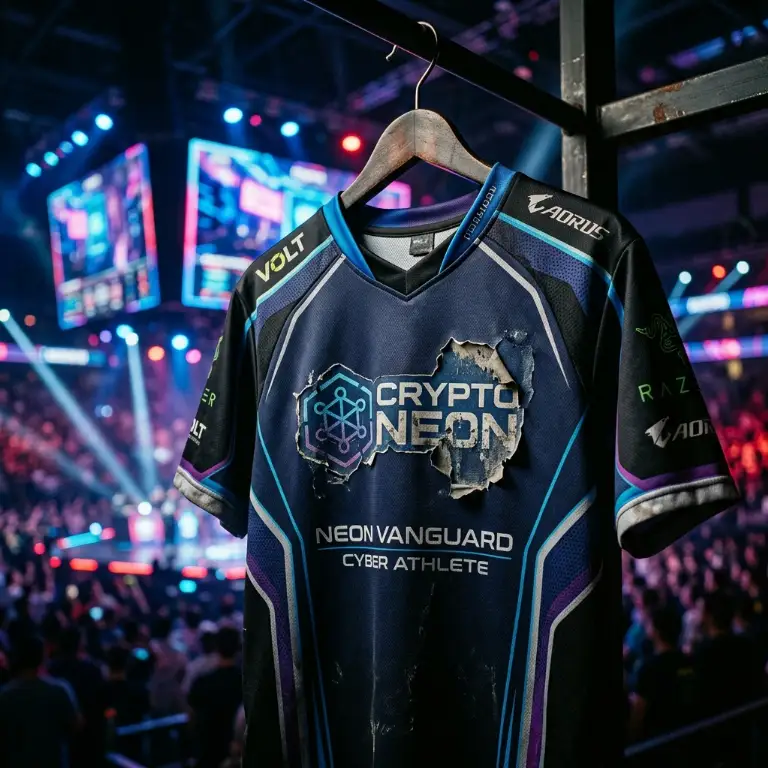
Just two years ago, it was impossible to tune into a competitive esports broadcast without being bombarded by exchange logos and Web3 token banners. Jersey fronts for top-tier esports organizations looked more like speculative venture portfolios than sports uniforms.
In 2026, however, the tide has turned dramatically. Crypto and blockchain sponsors are quietly yet overwhelmingly disappearing from the competitive landscape.
The TSM FTX Case Study: The $210 Million Collapse
If one single headline encapsulated the unchecked euphoria of that era, it was the landmark naming-rights agreement signed between North American powerhouse TSM and cryptocurrency exchange FTX back in 2021.
At the time, the two parties inked a historic 10-year, $210 million deal. Overnight, the legendary organization rebranded as "TSM FTX," proudly brandishing its newfound fortune.
The aftermath is well documented. By late 2022, the FTX empire collapsed in a spectacular fraud scandal. TSM scrambled to cut ties immediately, scrub the branding, and revert to its legacy name, walking away from one of the largest corporate sponsorship deals in entertainment history.
The Bubble Bursts: A Swift Return to Reality
During the post-COVID boom, esports organizations signed astronomical contracts with Web3 entities. Multi-million-dollar deals seemed to promise an endless financial runway for competitive clubs.
That liquidity spigot dried up rapidly as the speculative bubble deflated. Hit by severe liquidity crunches and aggressive regulatory crackdowns, blockchain firms slashed marketing budgets across the board.
For esports clubs, the hangover was brutal. Numerous organizations were forced to downsize operations or renegotiate budgets mid-season following the sudden collapse or withdrawal of Web3 partners.
The Pursuit of Sustainable Economics
The year 2026 marks a decisive turning point toward long-term financial sustainability in esports. As highlighted in recent reporting by analytics firm Esports Charts, the industry is pivoting away from high-burn, venture-backed speculation.
Professional teams are actively prioritizing partnerships with established, non-volatile mainstream brands. As a result, automotive manufacturers, brick-and-mortar financial institutions, and consumer packaged goods brands are reclaiming prime jersey real estate.
While these conventional advertisers may offer lower upfront windfalls, they provide dependable contract security essential for guaranteeing player salaries and planning upcoming seasons with confidence.
A Relieved Community?
Beyond the ledger sheets, the exit of crypto brands has brought a welcome sigh of relief across substantial portions of the fanbase. Many viewers and industry analysts had long criticized the ethical ambiguities of Web3 sponsorships.
Frequent controversies involving questionable token drops and devastating secondary market sell-offs had begun to inflict serious collateral damage on team reputations.
Returning to grounded corporate partnerships allows organizations to refocus on their core mission: premier competition, top-tier content creation, and authentic connections with their fans.
Stay vigilant regarding sponsors, and see you in-game next time,
Grimtag

SEO consultant for over 20 years and digital entrepreneur, Charles 'Grimtag' Ronchain is the founder of Pro-Gamer.gg, Retrocharting.com, and Gamescharting.com. A competitive gamer, streamer, and retro game collector, he has worked in the video game industry for over 15 years, notably as a consultant for leading game price comparison platforms. Passionate about real-time performance data and gaming technology, he analyzes competitive esports, gaming hardware benchmarks, and creator workflows on Pro-Gamer.gg with an authentic player perspective.